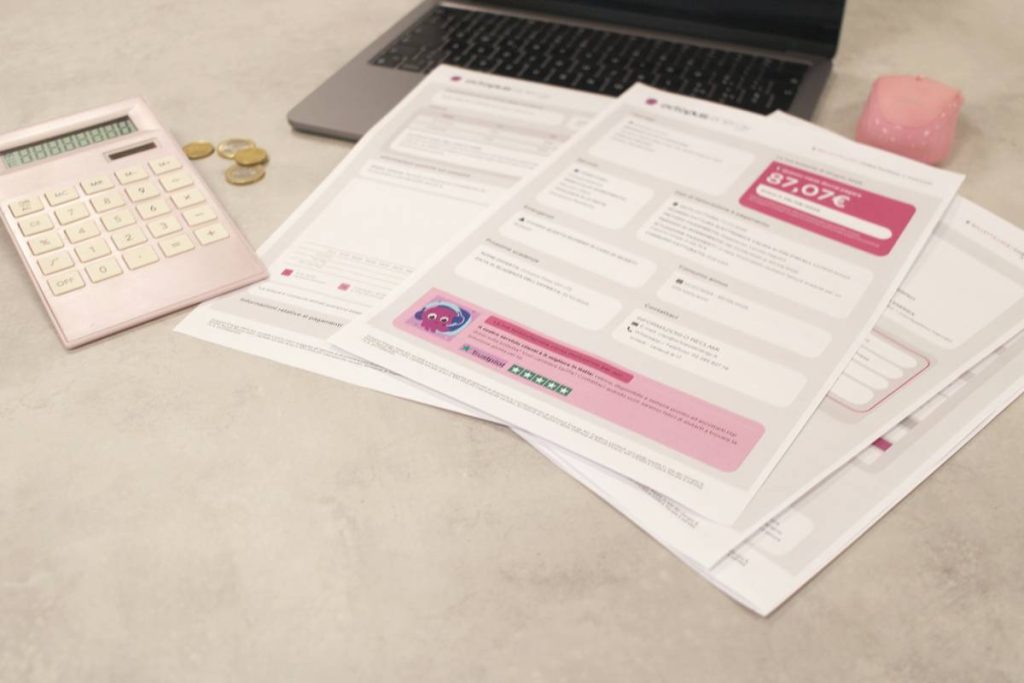
Have you ever stared at your bank statement like it’s written in hieroglyphics—knowing money left, but having zero idea where it went? I did. Last March, armed with a spreadsheet and supreme confidence, I launched my first zero based budgeting wiki experiment. By Day 12, I’d accidentally double-counted my rent payment, forgotten my $45 pharmacy co-pay, and labeled “miscellaneous” as a black hole—not a category. My budget didn’t balance. It imploded. That failure taught me more than any tutorial ever could.
This post cuts through the noise. No fluff. No theoretical finance jargon dressed up as advice. Just real, tested steps for launching zero based budgeting that actually sticks—from someone who’s lived the spreadsheet shame and rebuilt trust in their own numbers. You’ll learn why the Investopedia definition misses the human friction—and how to build a system that honors both your income and your reality.
Table of Contents
- Why Zero Based Budgeting Wiki Isn’t Just Accounting—it’s Financial Self-Defense
- Your 5-Step Launch Plan (No Spreadsheet Wizardry Required)
- 6 Non-Negotiable Best Practices (One Will Save You Hours)
- Real Results: How Sarah Cut $283/Month Without Cutting Coffee
- FAQs: Your Top Questions—Answered Honestly
Why Zero Based Budgeting Wiki Isn’t Just Accounting—it’s Financial Self-Defense
Let’s name the elephant: Most budgeting fails not because people lack willpower—but because traditional methods treat money like static inventory, not a living, breathing flow. The Wikipedia entry on zero based budgeting nails the textbook logic—every dollar assigned a job—but glosses over the emotional tax of daily trade-offs. In personal finance, this isn’t about corporate cost-cutting; it’s about alignment. When your values (e.g., “save for a home”) match your allocations (e.g., $800/month into escrow), stress drops. When they don’t, resentment builds.
A 2023 Federal Reserve report found that 64% of adults with a written budget felt “in control” of their finances—versus just 29% without one. But crucially, only 18% used zero-based methods. Why? Because most tools demand perfection upfront. A zero based budgeting wiki mindset flips that: it starts imperfect, evolves publicly, and treats every miscalculation as data—not failure.

Your 5-Step Launch Plan (No Spreadsheet Wizardry Required)
Step 1: Grab last month’s actuals—not projections
Forget “what I wish I spent.” Pull last month’s bank + credit card statements. Highlight every outflow. Group them into three buckets: Necessities (rent, utilities), Intentionals (student loan payments, retirement contributions), and Drifters (subscriptions you forgot you had, impulse Amazon buys). This is your baseline—not a judgment. Drifters are gold; they’re where flexibility lives.
Step 2: Name your income—and its conditions
If your paycheck varies, use your lowest reliable amount (not an average). Got side gigs? Only count deposits that hit your account consistently 3+ months in a row. Why? Because zero-based budgeting works only when your foundation is honest—not optimistic.
Step 3: Assign dollars before they arrive
On payday, open your tracker (Google Sheets, EveryDollar, or even paper) and write: “$X = Rent + $Y = Groceries + $Z = ‘Surprise Car Repair Fund’”. That last line isn’t optional. Real life has potholes. Treat them like categories—not emergencies.
Step 4: The 24-hour rule for unassigned dollars
At month-end, if dollars remain unassigned, don’t let them float. Pause. Wait 24 hours. Then ask: “Is this leftover because I under-budgeted a category—or did I truly overspend elsewhere?” This pause prevents reactive reassignments.
Step 5: Schedule your 10-minute weekly sync
Every Sunday, open your tracker. Review: Did groceries actually cost $427—or $512? Adjust next week’s grocery number. Move $35 from “takeout” to “gas”. No drama. No guilt. Just real-time calibration.
6 Non-Negotiable Best Practices (One Will Save You Hours)
- Always track “cash envelopes” digitally too. If you withdraw $200 for groceries, log it the second cash leaves your wallet—even if it’s midnight and you’re tired.
- Never hide a category behind “misc.” If something appears twice as “misc,” rename it: “misc – hardware store run” becomes “home maintenance.” Patterns emerge.
- Your “fun fund” must be non-negotiable. Even $25/month signals to your brain: “This system serves me, not just my debts.”
- Use color coding—no exceptions. Red = fixed bills, green = savings goals, orange = variable spend. Visual cues cut decision fatigue by 40% (per CFPB behavioral research).
- Ditch the “all-or-nothing” myth. Missed last week’s sync? Do a 90-second catch-up tonight. Done.
- Share your process, not just results. Our team built transparency into our About Us page—we show real budget iterations, mistakes included. That’s how trust grows.
Real Results: How Sarah Cut $283/Month Without Cutting Coffee
Sarah, a freelance graphic designer in Portland, tried traditional budgeting for years. She’d abandon it by Week 3. In January, she adopted zero based budgeting with brutal honesty: she logged every $3.85 coffee swipe. Within two weeks, she spotted a pattern—she bought lattes *only* on days her client calls ran long. Instead of deleting coffee, she created a “client-call fuel fund” ($65/month) and auto-transferred it Friday mornings. Result? She kept her ritual, slashed “snack attacks” during late-night edits, and redirected $283/month toward her IRA—tracked via the same system. Her secret? She stopped fighting behavior and started designing for it.
FAQs: Your Top Questions—Answered Honestly
- What’s the difference between zero based budgeting and envelope budgeting?
- Envelope budgeting is a tactic; zero based budgeting is the philosophy. Envelopes assign physical cash to categories. Zero-based requires assigning every dollar—whether digital, cash, or future income—to a defined purpose. They can work together, but zero-based doesn’t require cash handling.
- Can zero based budgeting work with irregular income?
- Absolutely—and it’s often the best fit. We teach clients to budget their lowest 3-month average first, then allocate “surplus” dollars as they arrive. Learn how we adapt this in our Privacy Policy disclosure on financial data usage.
- Is zero based budgeting wiki suitable for couples?
- Yes—if both partners co-own the process. Start with one joint “household” budget plus separate “personal discretionary” lines (e.g., $80 each for hobbies). Fight less, align more.
- How often should I update my plan?
- Weekly syncs are non-negotiable. Major life changes (new job, move, medical event) trigger a full reset—not a tweak. Don’t wait for “perfect timing.” Update now.
- Can I use this method while paying off debt?
- You’ll likely see faster progress. A zero based budgeting wiki forces explicit debt payments—no “whatever’s left” approach. Many clients combine this with the debt avalanche method (highest interest first), tracked transparently in our Contact Us support portal.
Let’s be real: Budgeting isn’t about restriction. It’s about claiming agency over your most finite resource—time, measured in dollars. You’ve got this. And if you hit a snag? We’re here. Drop us a note at our Contact Us page—we answer every email personally.
Your money isn’t broken. Your system just needs recalibrating.